Ueno is back, and it's staying small on purpose
Ueno, the studio behind Uber's rebrand and Apple Maps tools, reopened as a small boutique in 2025, four years after it sold to Twitter.
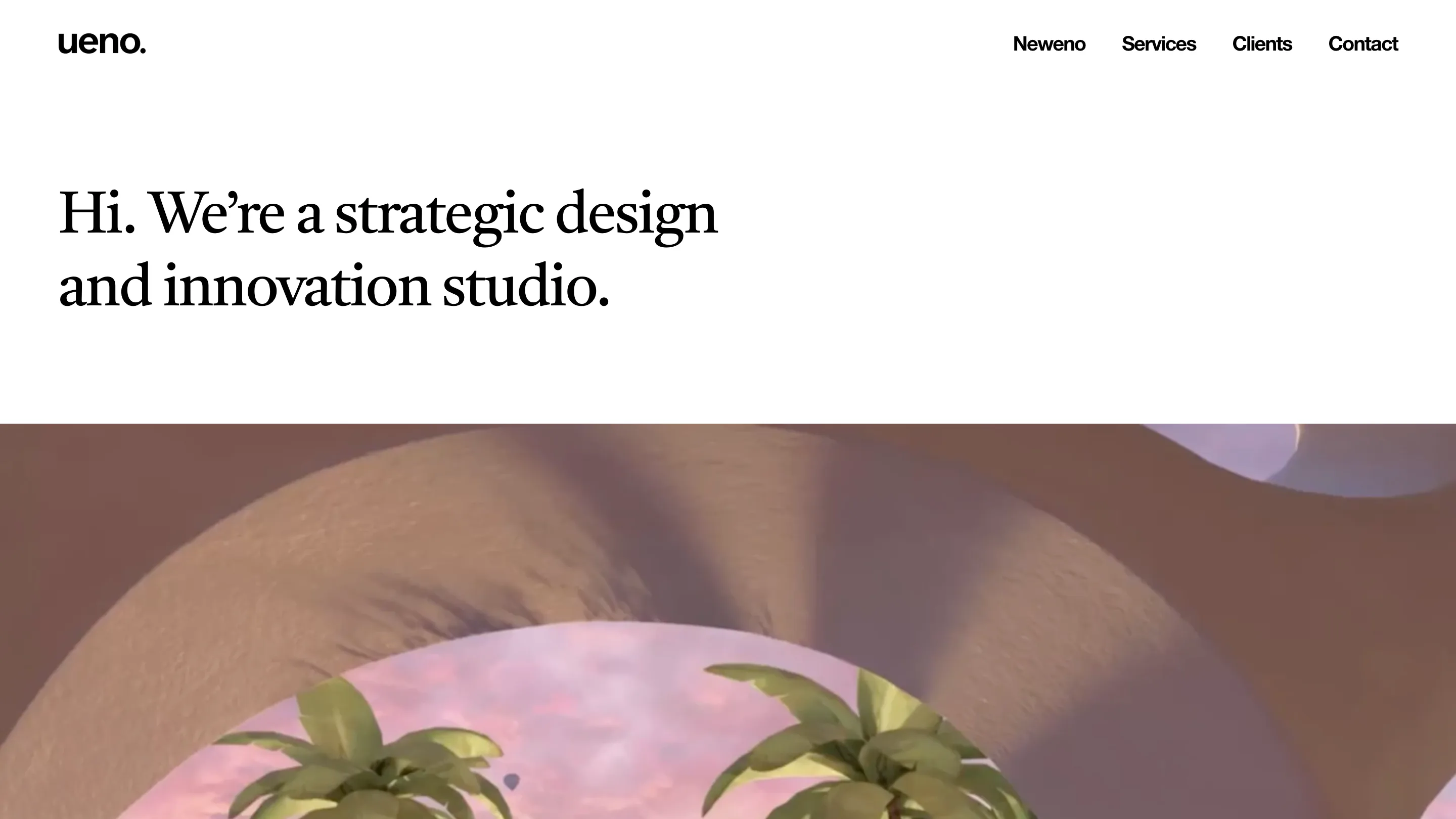
Ueno is back. Haraldur Thorleifsson, the Icelandic designer most people just call Halli, has reopened the studio he sold to Twitter in 2021, and he's running it small on purpose. If you shipped product work in the last decade, you've touched something Ueno had a hand in: the Uber rebrand and the core app, business tools for the Apple Maps team, work across Google Maps, Chrome and Android, a Coinbase rebrand, a new Venmo site. The studio went quiet when Twitter bought it. Now it's open again, and the way Halli is running it tells you something about where studio work is heading.
The Reykjavík apartment, then Twitter
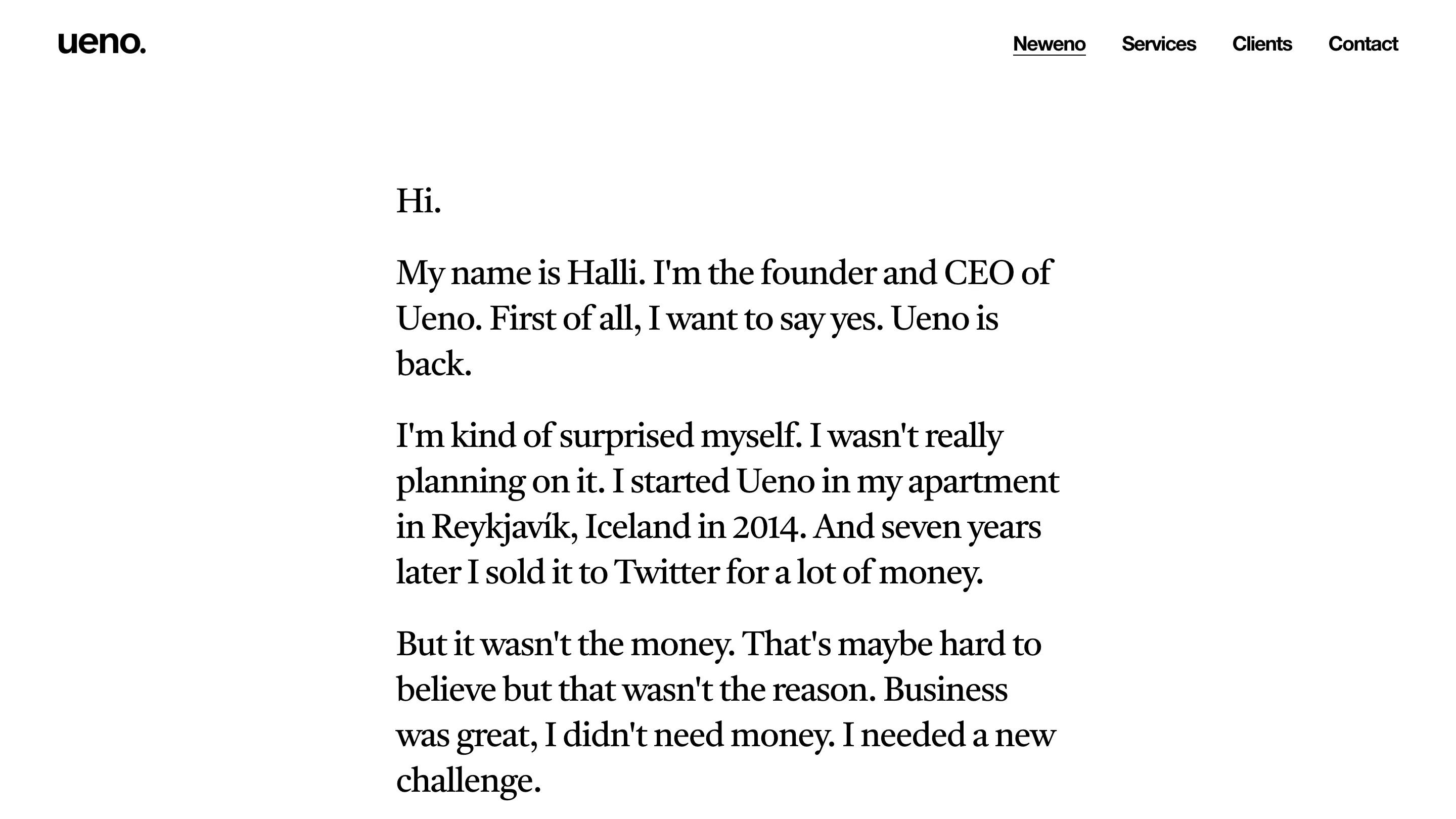
Halli started Ueno in his apartment in Reykjavík in 2014. Seven years later it had offices in several cities and more than 100 people, and he sold it to Twitter to lead innovation there. He's blunt about why, and it wasn't the check. "Business was great, I didn't need money. I needed a new challenge," he writes on the studio's site. "I wanted to be on the inside of a big company and see things through, to see them grow."
Twitter didn't go the way he planned. After it, he spent a few years on other things: he built wheelchair ramps across Reykjavík, opened a restaurant and a cinema, started a bank and a recording studio, made a podcast, released a visual album. Then the pull came back. He describes it as the feeling of someone showing up with an idea and asking for help to make it real.
A studio choosing to stay small
The reopened Ueno is deliberately tiny. "In 2025 we opened up again as a boutique agency working with a handful of carefully selected industry leading clients," the homepage reads. That's a real turn. The old Ueno chased scale: it landed on the Inc. 5000 list of the fastest-growing U.S. companies more than once, and it grew until an acquisition made sense.
The new one caps itself before it starts. For years the studio playbook ran one direction: add headcount, win bigger logos, sell to a platform. Ueno did every step of that. The founder came out the far side and picked the opposite. For anyone weighing whether to grow a studio or keep it lean, that's a data point worth sitting with, from someone who has already run the experiment at full size.
Function plus feeling
The method has a name now. Ueno frames every project around two questions: what does it do, which they call Function, and how does using it make people feel, which they call Feeling. The services page lays it out in plain talk, no jargon, the way you'd explain it to a friend.
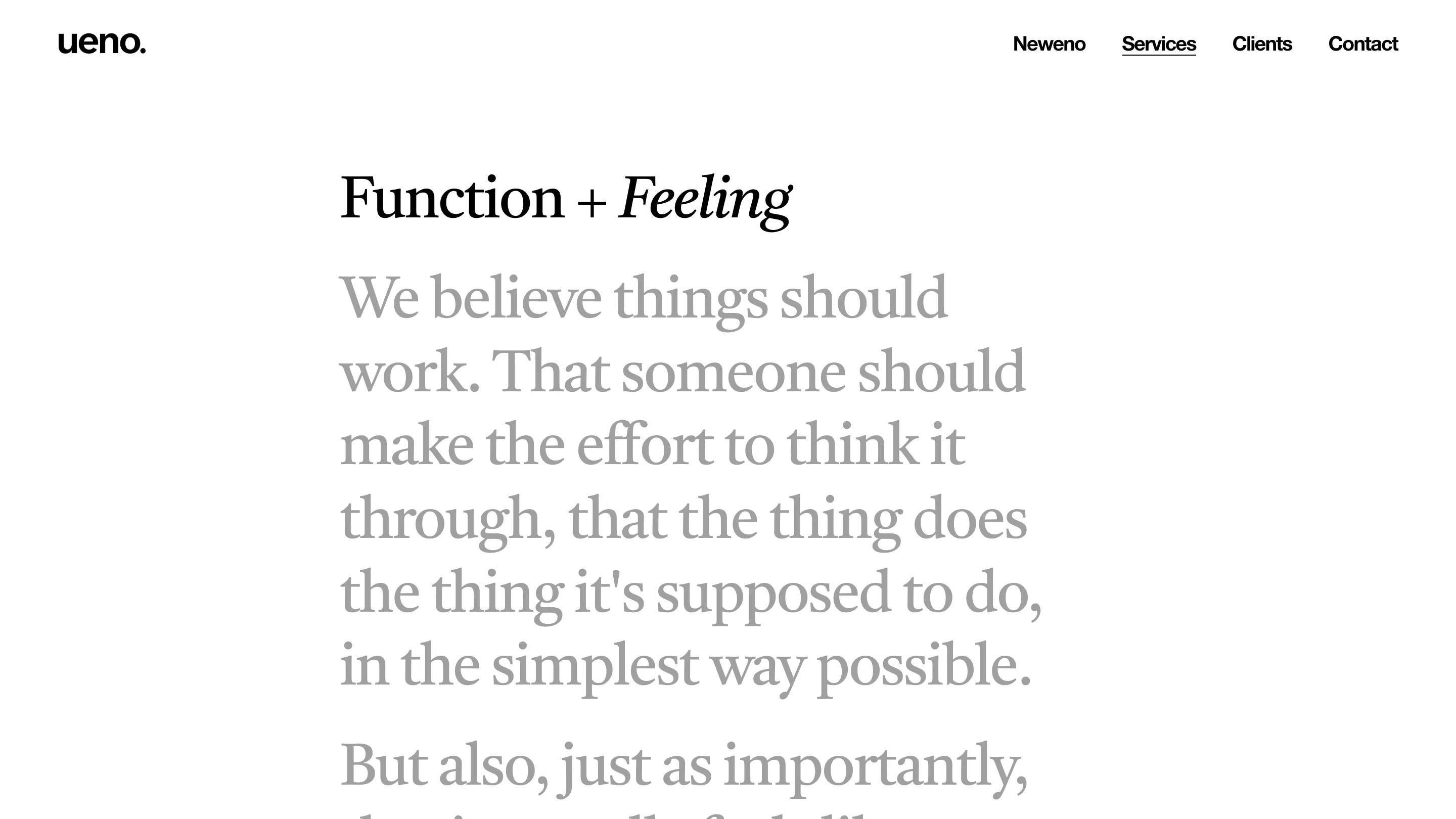
"We believe things should work," the copy reads, "but also, just as importantly, that it actually feels like people made it." It's a simple frame, and it's the thing a lot of AI-assisted product work is missing right now: the sense that a person cared about the small stuff.
The client list is the pitch
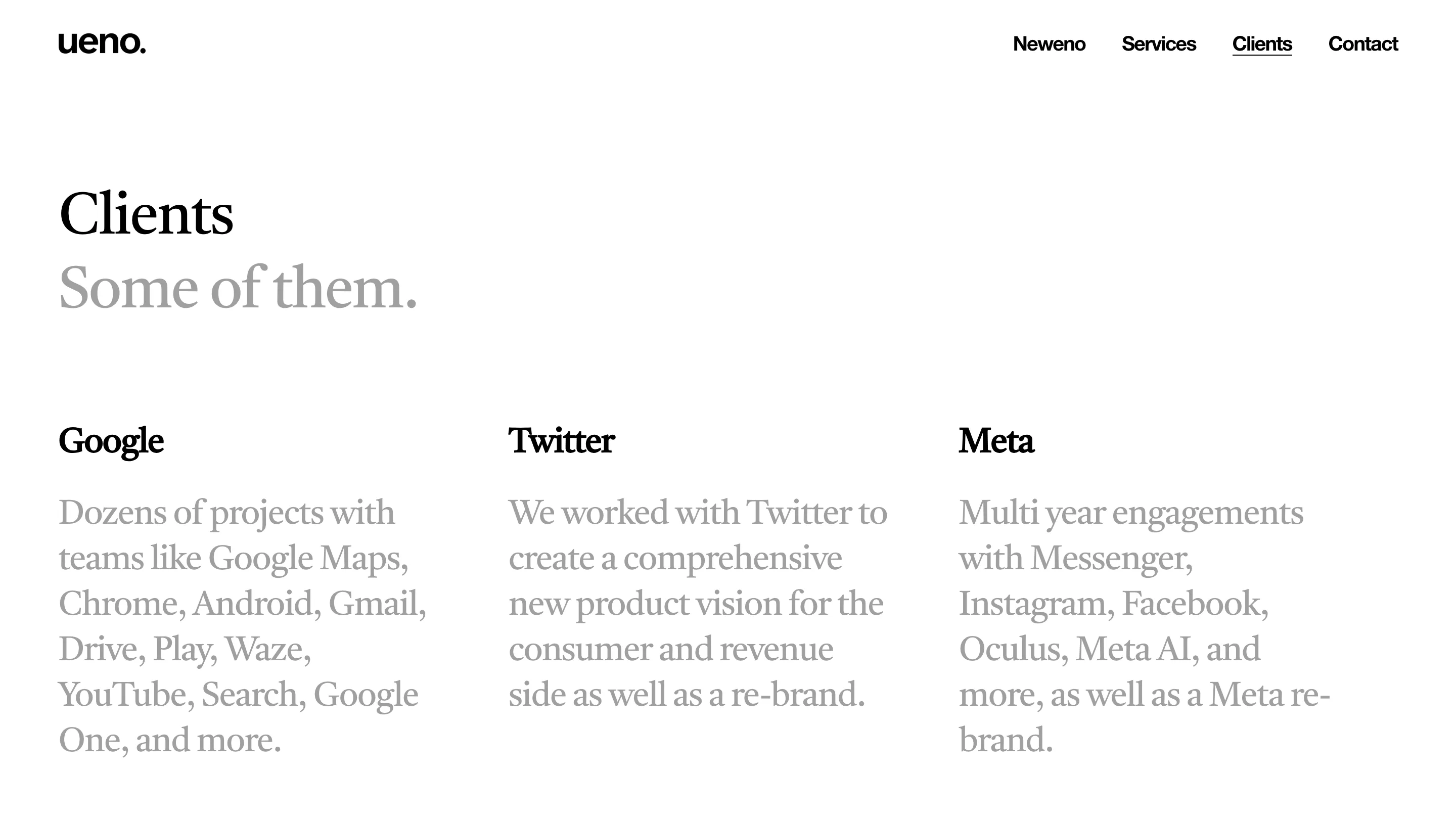
Ueno's clients page reads like a tour of the decade's apps: dozens of projects with Google, a full Uber rebrand, Apple Maps, Netflix, Meta's Messenger and Instagram, Walmart's Store No. 8 innovation lab, PayPal and Venmo, a Coinbase rebrand, The New York Times. The work won Webbys, D&AD Pencils, Cannes Lions and a wall of Awwwards.
That history is the whole pitch for the small version. Halli doesn't need to prove the studio can scale, because it already did. What he's testing now is whether the best work comes from staying under the size where it starts to feel like a factory. Product designers should keep an eye on it, because if a boutique Ueno out-ships the 100-person one, that's an argument a lot of studios will want to borrow.