
Lippincott buys Athletics, a 25-person design studio
Lippincott is buying Athletics, the Brooklyn studio behind the Chrome and Amazon Design identities, plus its AI tool Sesame. The deal closes 2 November.
Lippincott is buying Athletics, the Brooklyn studio that drew the current brand systems for Google Chrome and Amazon's design community. The deal was announced on 6 October 2026 and is set to close on 2 November. As design studio acquisitions go, this one says plainly what a large consultancy wants from a small studio: people who make working things, plus the software they built to make them faster.
Around 25 people move over. They keep the Brooklyn office. Lippincott, founded in 1943 and part of Oliver Wyman, didn't disclose the price.
What Athletics brings
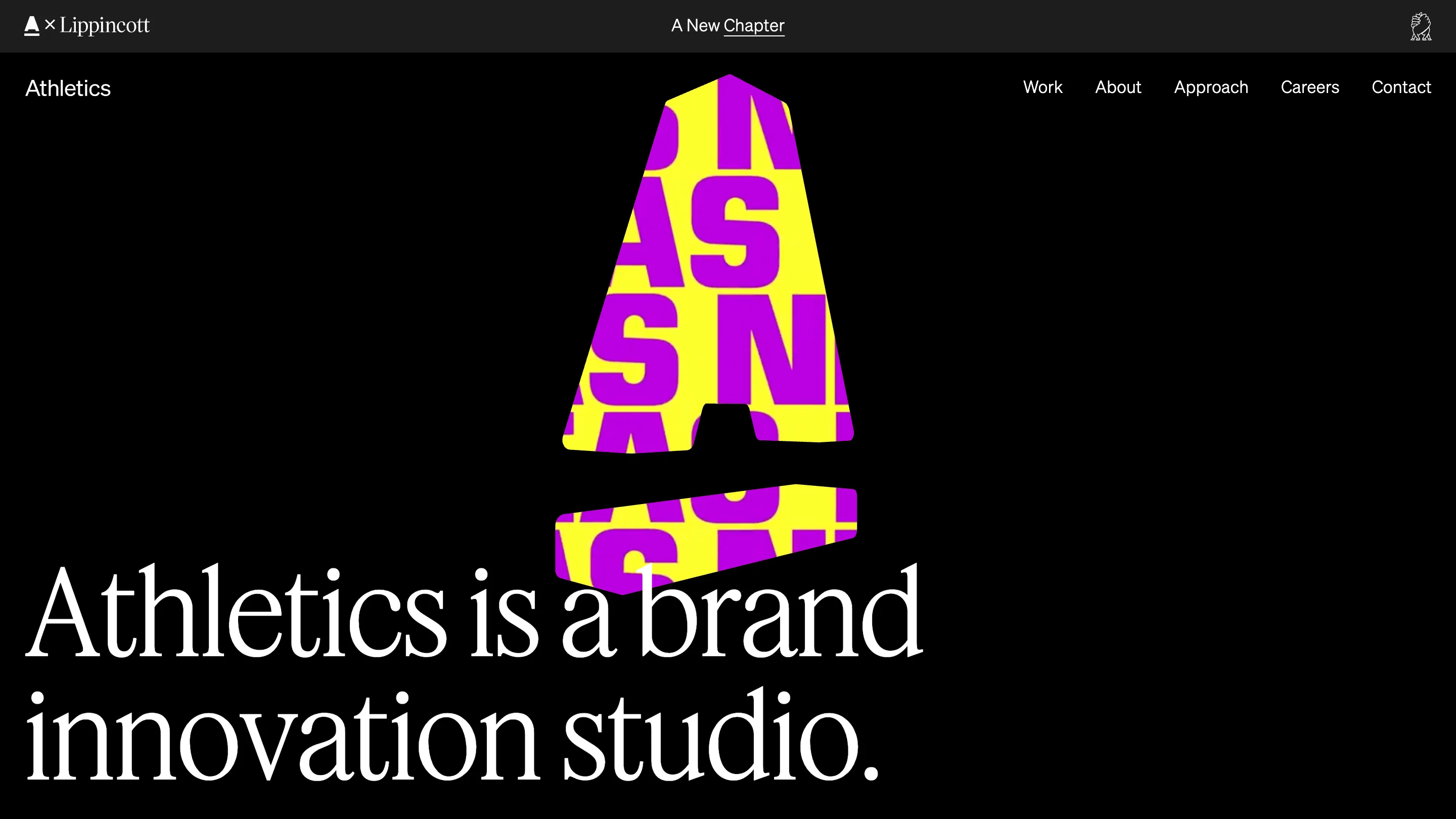
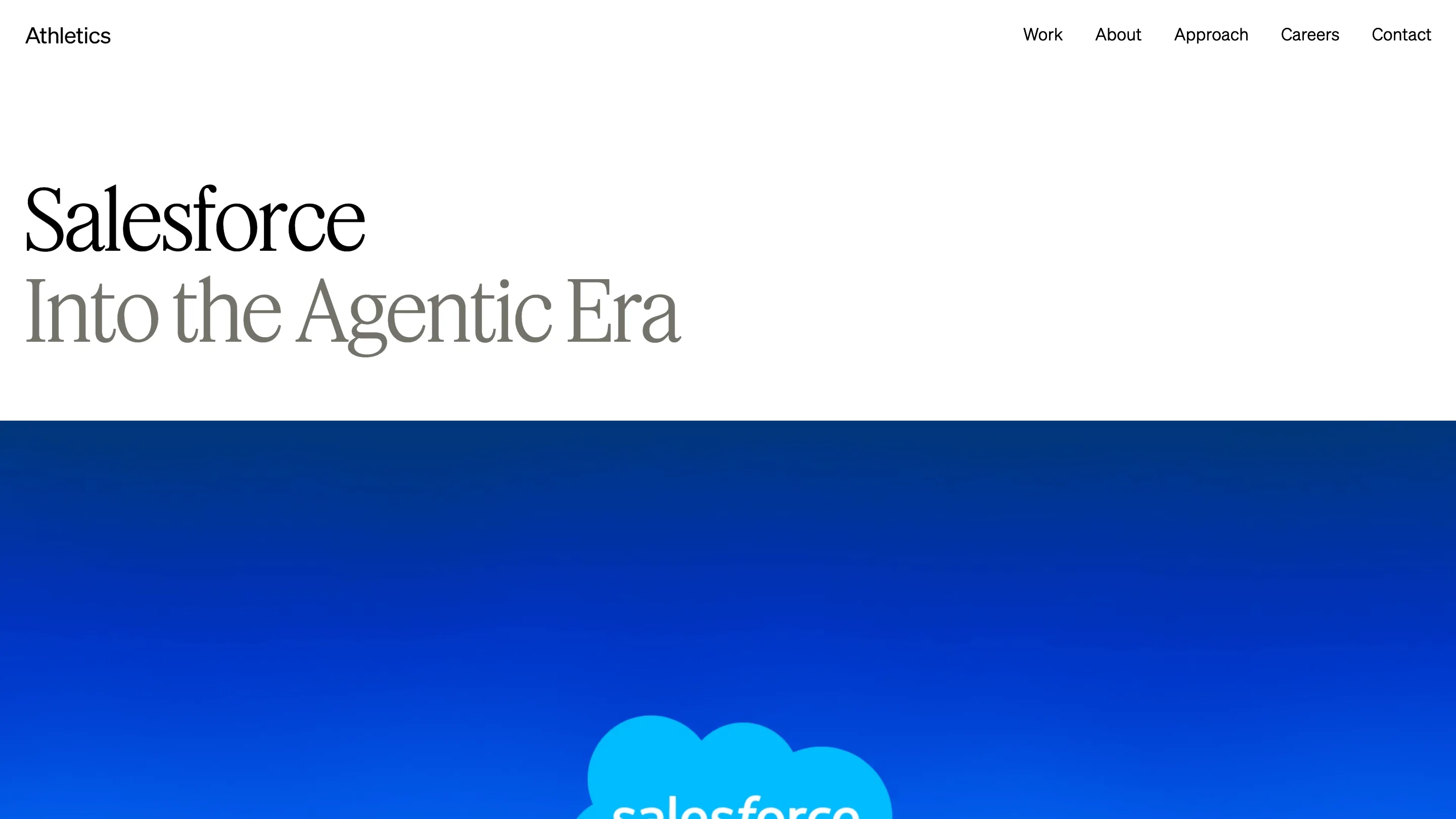
Athletics has been running in Brooklyn since 2004. The note announcing the deal is signed by Matt Owens, Jason Gnewikow, Malcolm Buick and CEO Jameson Proctor. The press release lists Salesforce, IBM, Google, Amazon, MoMA and Major League Soccer as recent clients. The studio calls itself a brand innovation studio, and its site leads with that sentence in a big serif over a letter A filled with yellow and purple type.
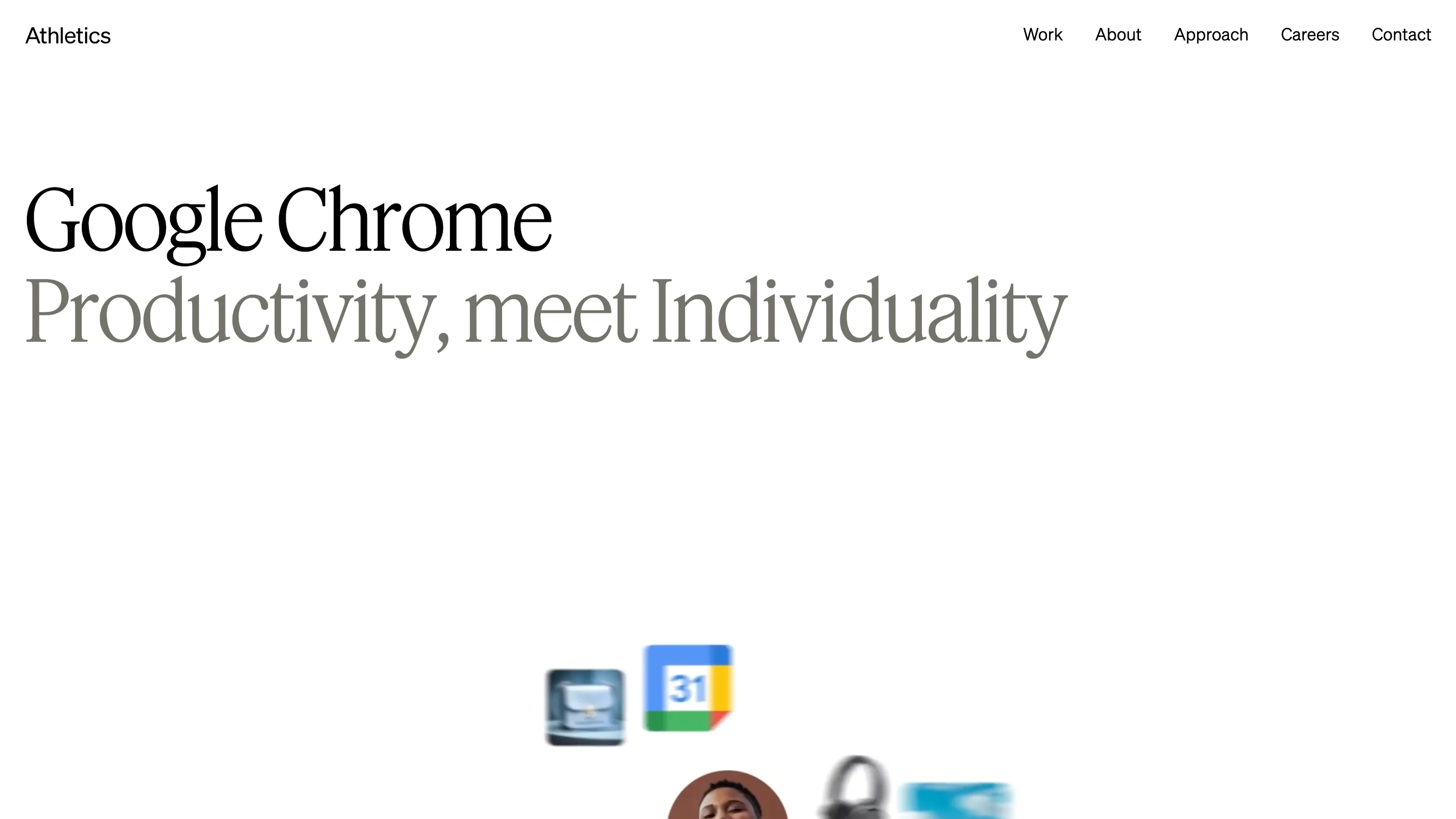
The work is the argument. For Google Chrome in 2024, Athletics swapped the browser's type-driven identity for a graphic system of lozenges and rounded rectangles taken from the circular logo. It cut Chrome's interface down to abstracted pieces that show one feature at a time, and organised the whole system around four modes of use: Find, Curate, Connect and Act. That's an identity built the way a product team thinks, by behaviour, and it carries Material 3 colour cues so it sits next to the rest of Google without a fight.
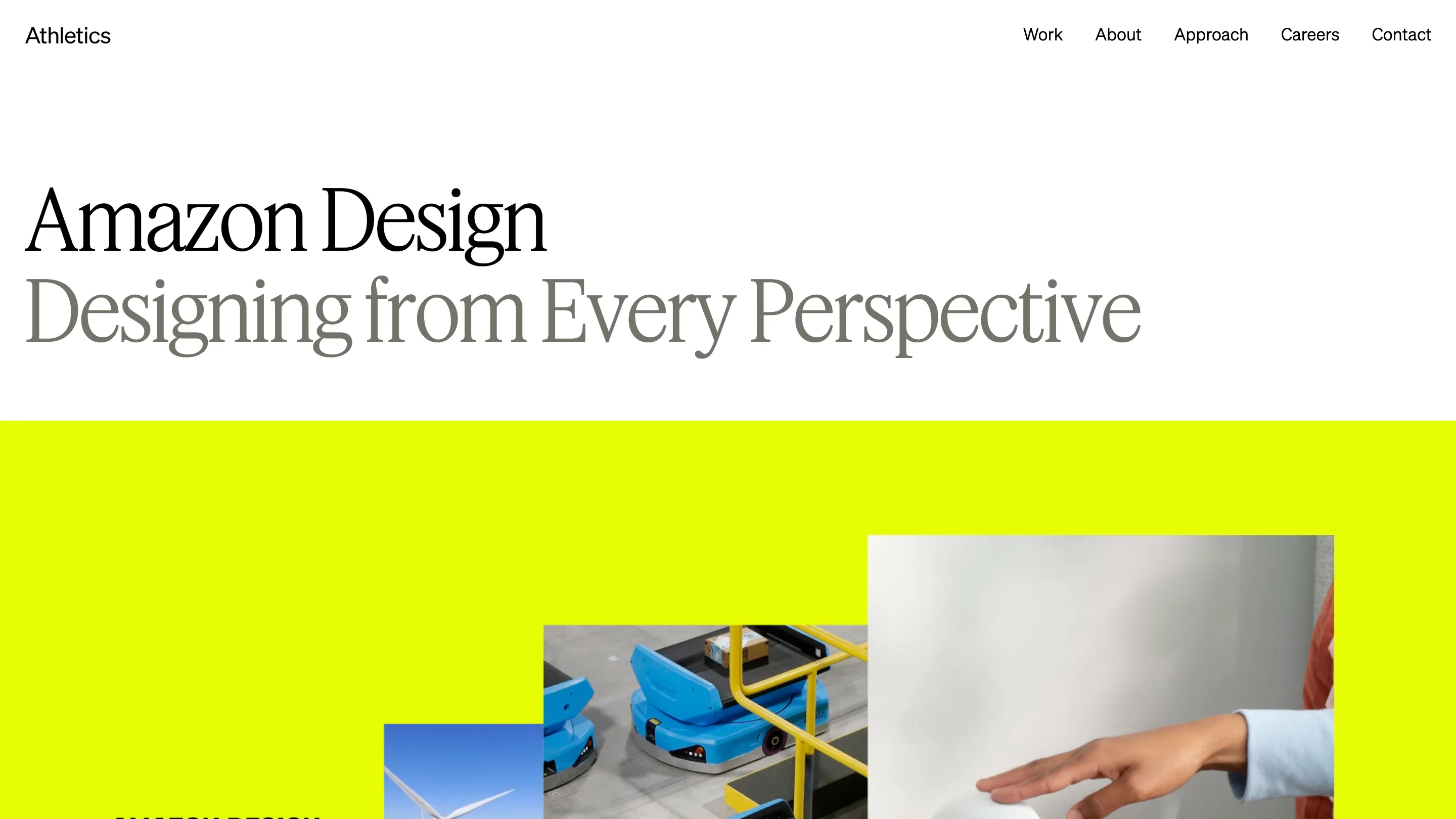
For Amazon Design, the community of designers inside Amazon, the studio paired Organetto Variable for headlines with Amazon Ember Light for body text and built a grid of rectilinear blocks that stack and step upward. The whole kit lives in Figma Variables. A brand delivered as a design system file is the part product designers should notice: it's handed over in the same tool the team ships from.
Sesame, the tool in the deal
The release names one asset by name. Sesame is Athletics' own AI software, used to build custom brand activation tools for clients. Lippincott's announcement puts it next to digital experience and creative technology as the reasons for the purchase.
That's the detail worth reading twice. A consultancy with 80 years of strategy work is paying for a studio's prototyping habit and its in-house AI tooling, and saying so in the headline paragraph. Michael D'Esopo, Lippincott's CEO, put it plainly: Athletics' "focus on practicality strengthens our ability to translate ambitious ideas into tangible applications."
Why this design studio acquisition matters to product teams
Proctor's line in the release says the strongest work happens "when strategy, design and technology come together from the beginning, with clients as part of the team and making as part of the thinking." Read that as a job description. The studio a big firm wanted to buy is one whose output is a system people can build with, a Figma library, a set of UI modes, an internal tool.
For a designer at a product company, two things follow. The brand agency your marketing team hires next is more likely to arrive with prototypes and a component kit than a PDF of guidelines, so ask for it in that form. And the people who can take an identity all the way into working interface are the ones being bought, studio by studio.
What stays the same
The founders' own note, posted on 6 October and signed by the four partners, says the same senior attention and hands-on collaboration will continue, with Lippincott's reach behind it. The site already carries the change: a bar across the top reads Athletics × Lippincott, linking to "A New Chapter". The Brooklyn team stays in its room. What it gets is what Proctor calls Lippincott's "global scale", and bigger briefs to spend it on.