Active Theory turns Spotify Wrapped into a live party
Spotify Wrapped Party lets nine friends compare their 2025 listening in one real-time room. Active Theory's WebGL build took awwwards Site of the Day.
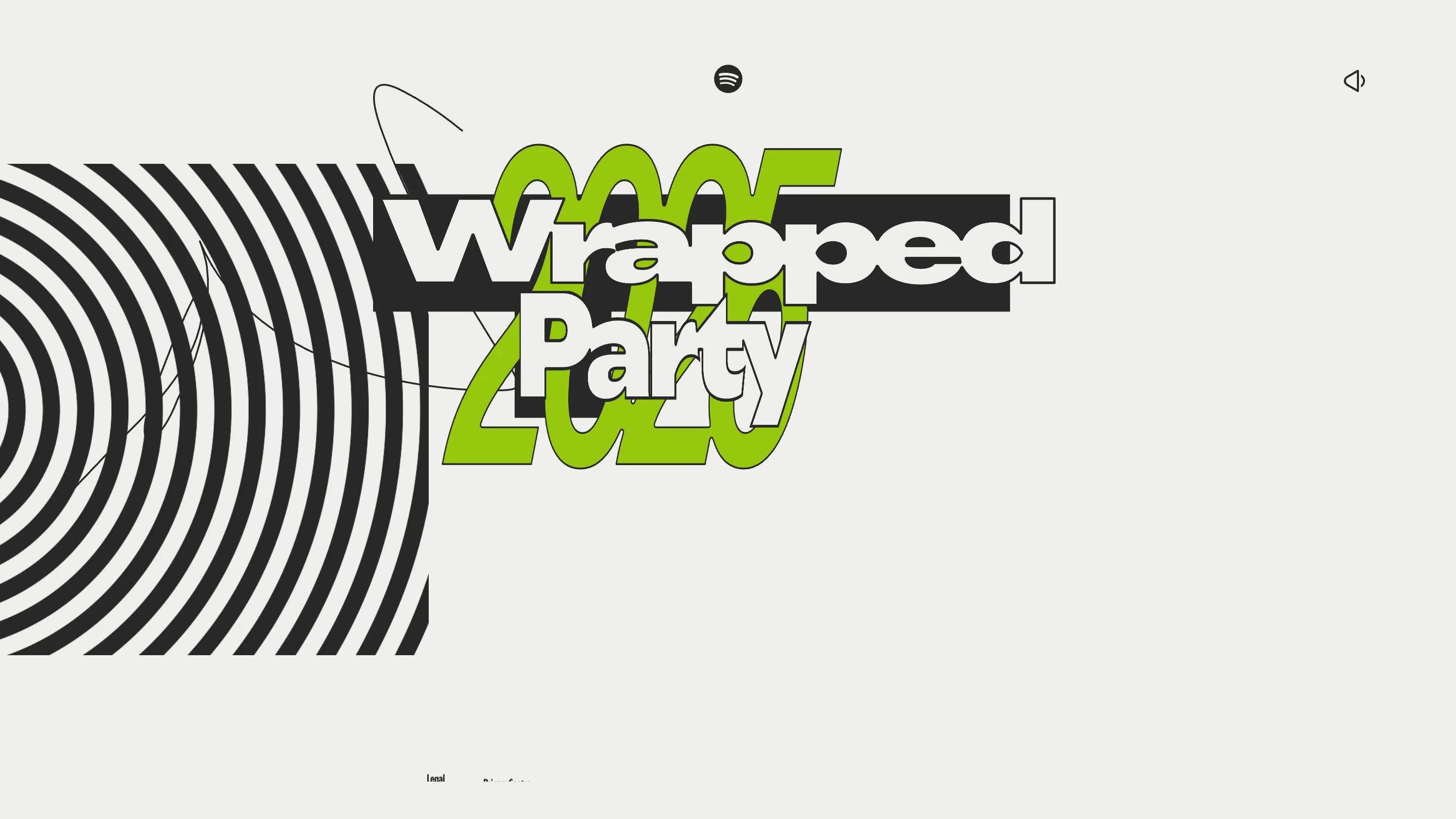
Active Theory rebuilt Spotify Wrapped as a room you walk into with friends. Spotify Wrapped Party took awwwards Site of the Day on July 24, 2026 with a 7.31, and picked up a Developer Award on the same day. The idea is easy to say and hard to ship: up to nine people join one session and watch their 2025 listening stack up against each other while it happens.
The one green thing on a quiet page
The landing tells you the whole grammar before anything moves. Off-white ground. Black display type reading Wrapped Party, set heavy and slightly warped so the letters crowd each other. One hit of Spotify green on the year, 2025, sitting behind the wordmark like a shadow that got loud. Concentric black rings ripple out of the left edge, part record groove, part speaker cone. The Spotify logo sits dead center at the top, a small sound toggle at the right.
That is the entire palette: paper, ink, and a single green. Wrapped has always been a color riot, so choosing to hold most of the screen in near-monochrome and spend the green once is the confident move here. The green reads as Spotify without a logo lockup doing the work.
Motion is what the jury rated
The scores say where the craft is. Animations and transitions took an 8.00, the highest mark on the card, above creativity at 7.42. Watch the rings breathe with the audio, watch the type settle and re-break between screens, and the number makes sense. The whole thing behaves like it is listening, because it is: the sound toggle is there because the motion is scored to the track.
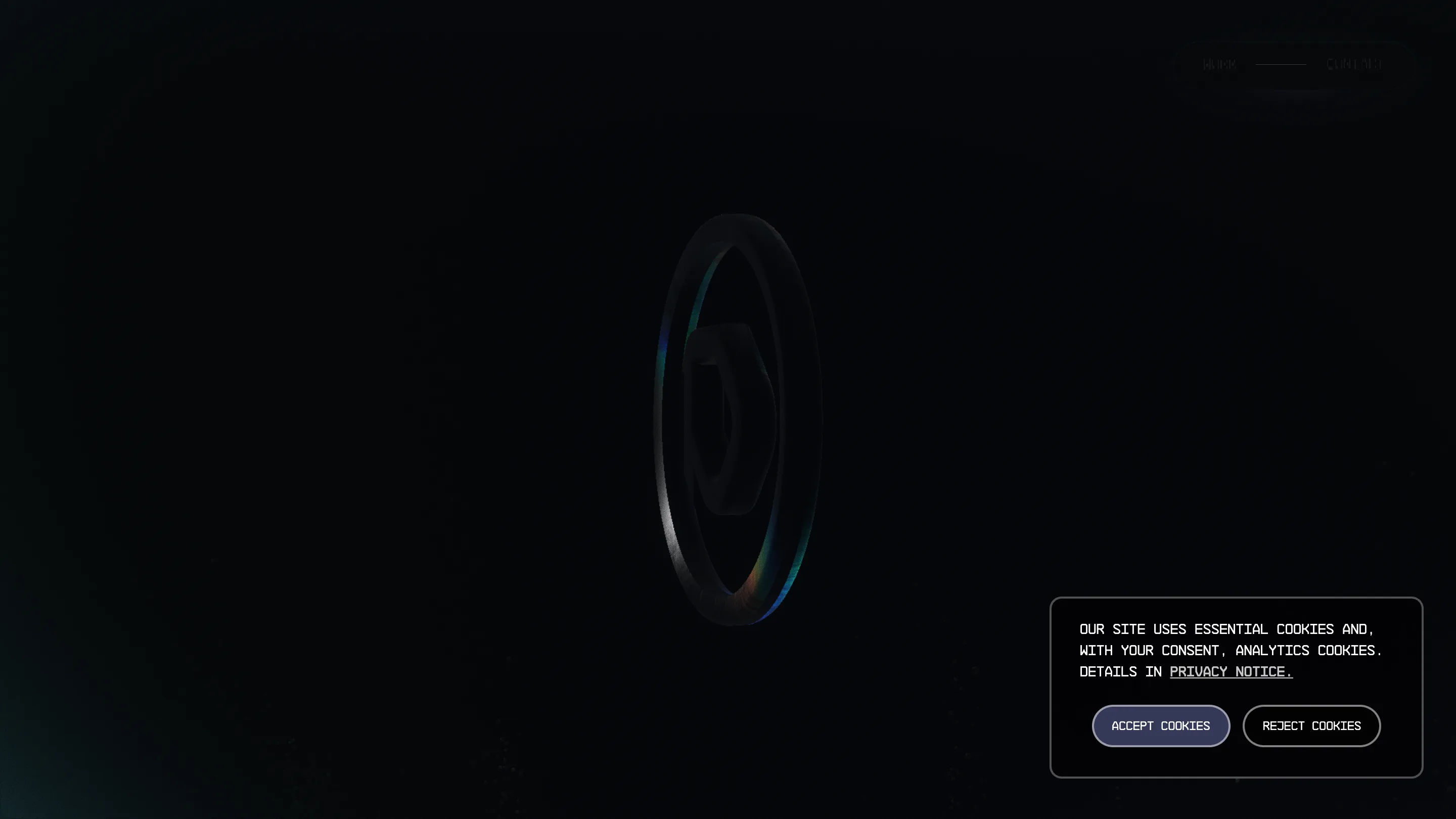
This is Active Theory working in the register it built its name on. Real-time WebGL, brand experiences that run at frame rate, a house style you can spot across their own site. The studio has been making browser work that feels closer to a game engine than a web page for over a decade, and Wrapped Party is that muscle pointed at a yearly ritual most people already know.
A party beats a slideshow
Every Wrapped before this one was a solo recap. You scrolled your own numbers, screenshotted the good ones, closed the tab. Making it multiplayer changes the whole reason to open it. Nine friends in one live session means your top artist is not a private stat anymore, it is a thing you defend out loud. The design has to sync nine states in real time and still keep the motion smooth, which is the hard engineering under the fun.
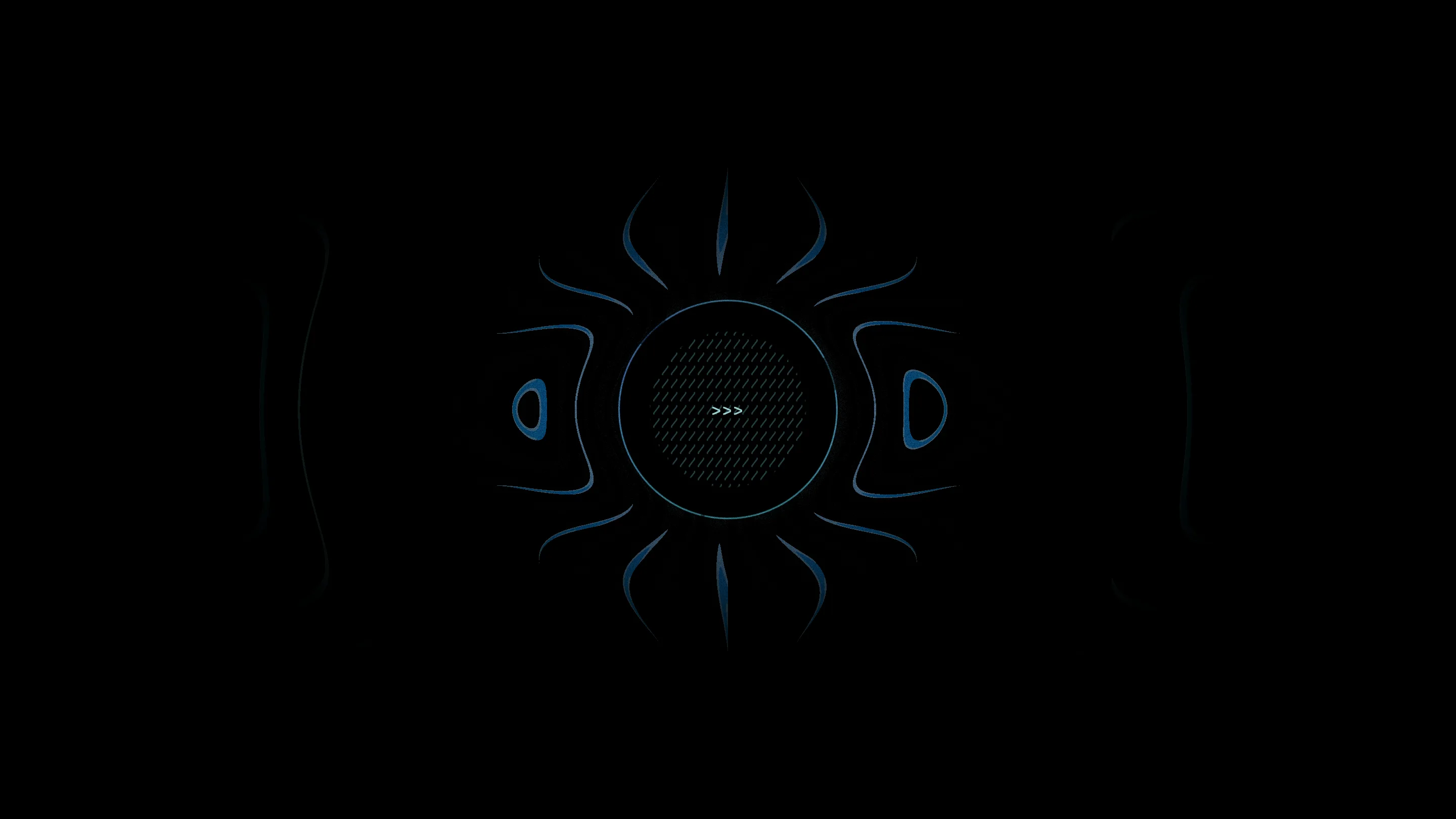
One juror called it the first multiplayer Wrapped, and that framing is the point. The craft a working designer would rate is not any single screen. It is the decision to turn a report into a shared room, then build the type, the motion, and the color discipline to carry it.
Where the panel split
The scoring was not a clean sweep. Some judges handed out 8s, others dropped to 4, and the gap sits on usability and content rather than the visuals. A live nine-person experience asks a lot of the person driving it, and the same audio-reactive motion that reads as polished to one judge reads as noise to another. That spread is honest. It is also why the piece earned the Developer Award more comfortably than a straight design consensus: the build is the achievement everyone agreed on.
Wrapped Party is worth a look for one lesson in particular. Take something people already do alone, give it a room and a reason to compete, and hold the color down to a single note so the motion can do the talking.