Koto acquires Stereo Creative and becomes a studio group
Koto acquired Stereo Creative on 9 September. The group is now 230 people in eight cities, and it's the first deal since private equity came in.
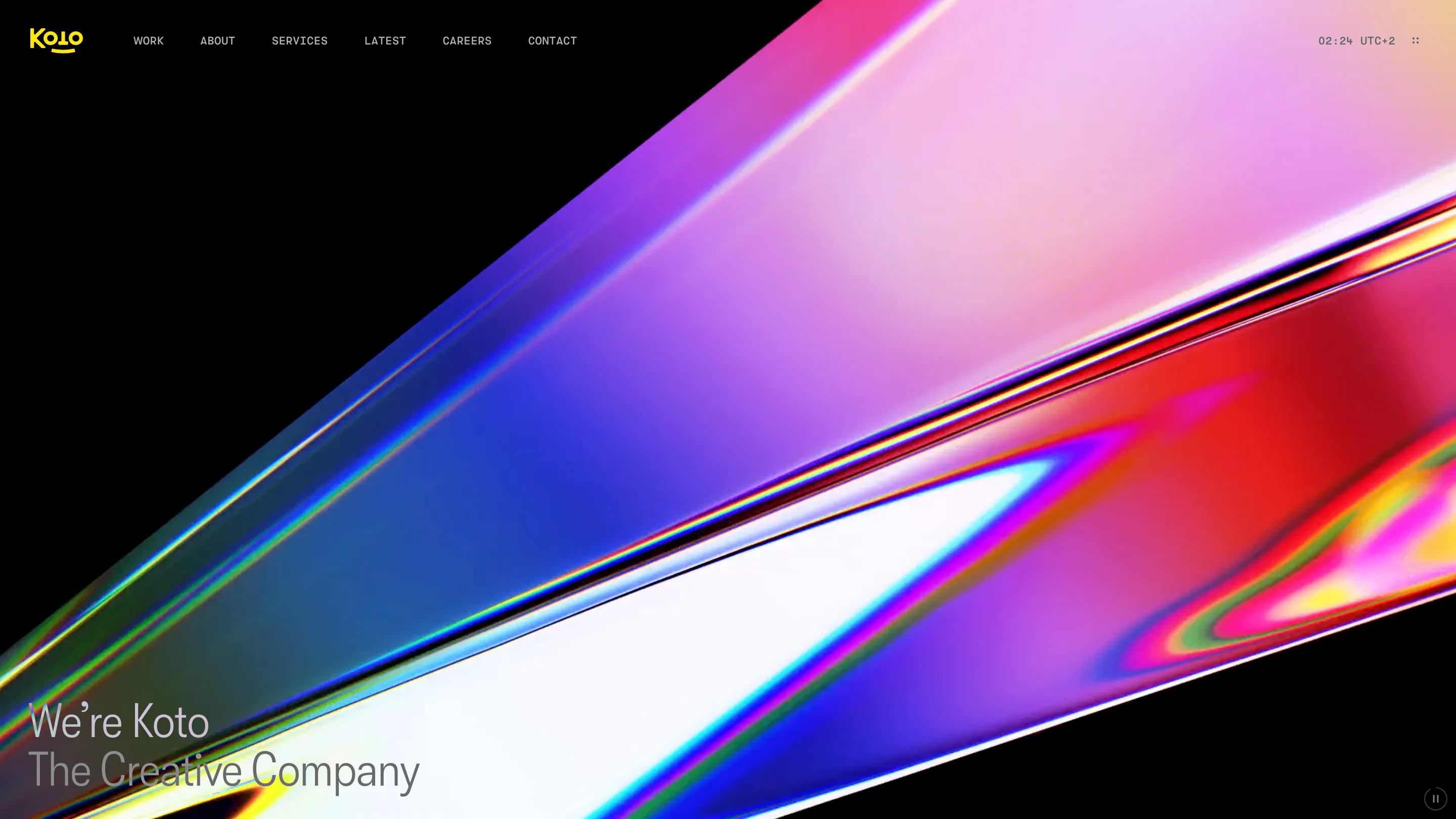
Koto acquired Stereo Creative on 9 September, and a branding studio turned into a holding group. Koto Group is now 230 people across eight cities, up from 170 the week before.
This is the first deal since WestBridge, a UK private equity firm, took a stake in Koto in 2025. The founders kept major shareholdings. James Greenfield, CEO and co-founder, said welcoming Stereo is "the first step in building a group of values-aligned, founder-led companies with the pursuit of excellence at their heart." Read that as: more deals coming.
What Koto acquired
Stereo Creative has been running for nearly two decades, with bases in London, San Francisco and Dubai and people in Los Angeles and Portland. Its client list is sport and entertainment: Nike, Arsenal, FIFA, EA Sports, Oracle Red Bull Racing, Bumble, Converse, the San Francisco 49ers.
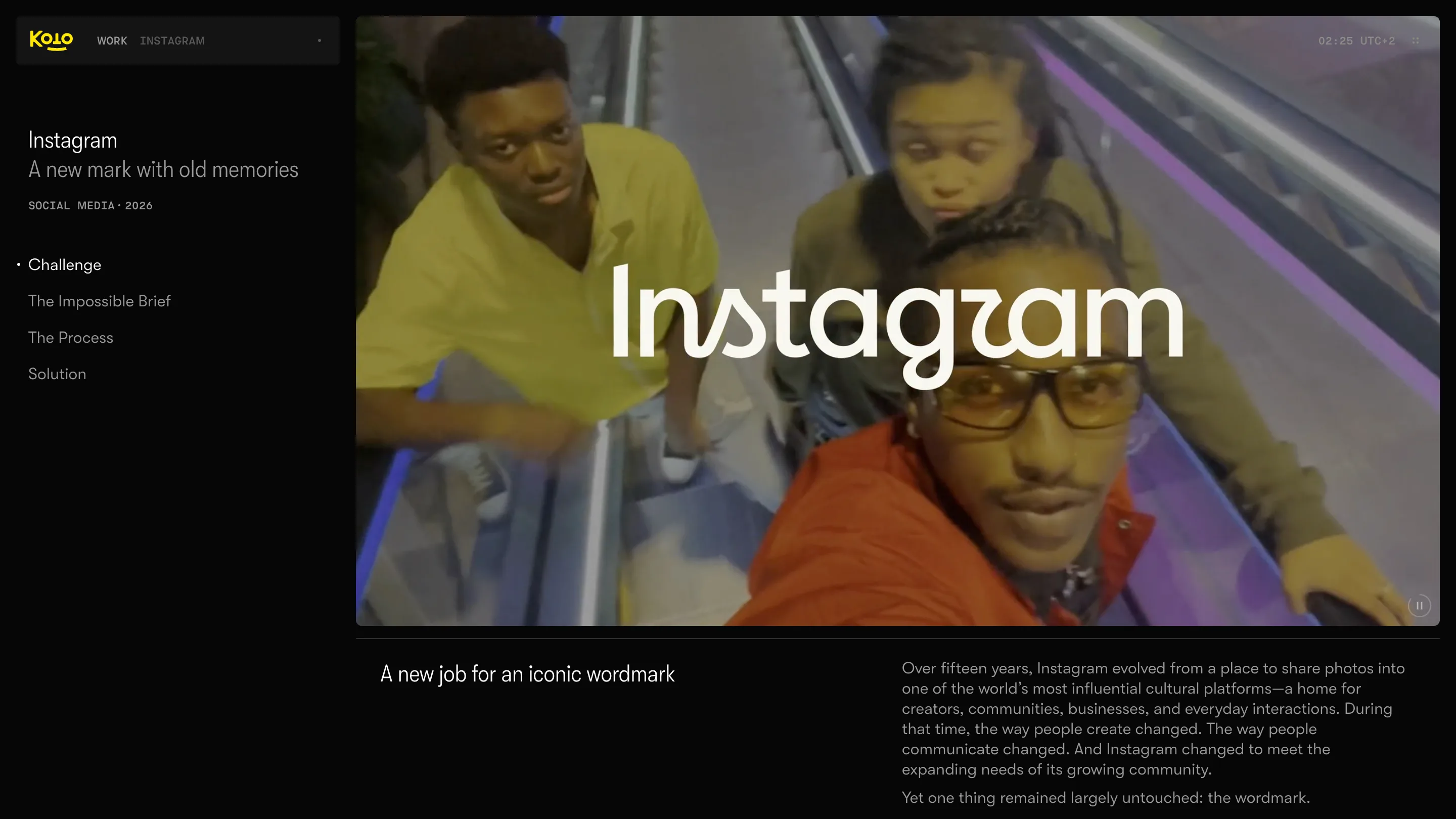
Different job from Koto's. Koto sells brand strategy and identity systems, and the shelf holds Amazon, Microsoft Copilot+ PC, Fitbit Ace LTE, Tripadvisor and the new Instagram wordmark, which shipped in August.
Stereo works the other end of the same brand. "Always-on content with craft and consistency" is the line on its homepage, delivered by distributed teams across time zones. Campaign versions, regional cutdowns, the few hundred assets a year that follow an identity launch. Its nav carries a StereoAI page and a research report, so it already sells a production system rather than a day rate.

That gap is the logic of the deal. A studio can sell a brand system, then watch the client hand execution to someone cheaper six weeks later. Koto bought the someone.
The About page says five. It's eight.
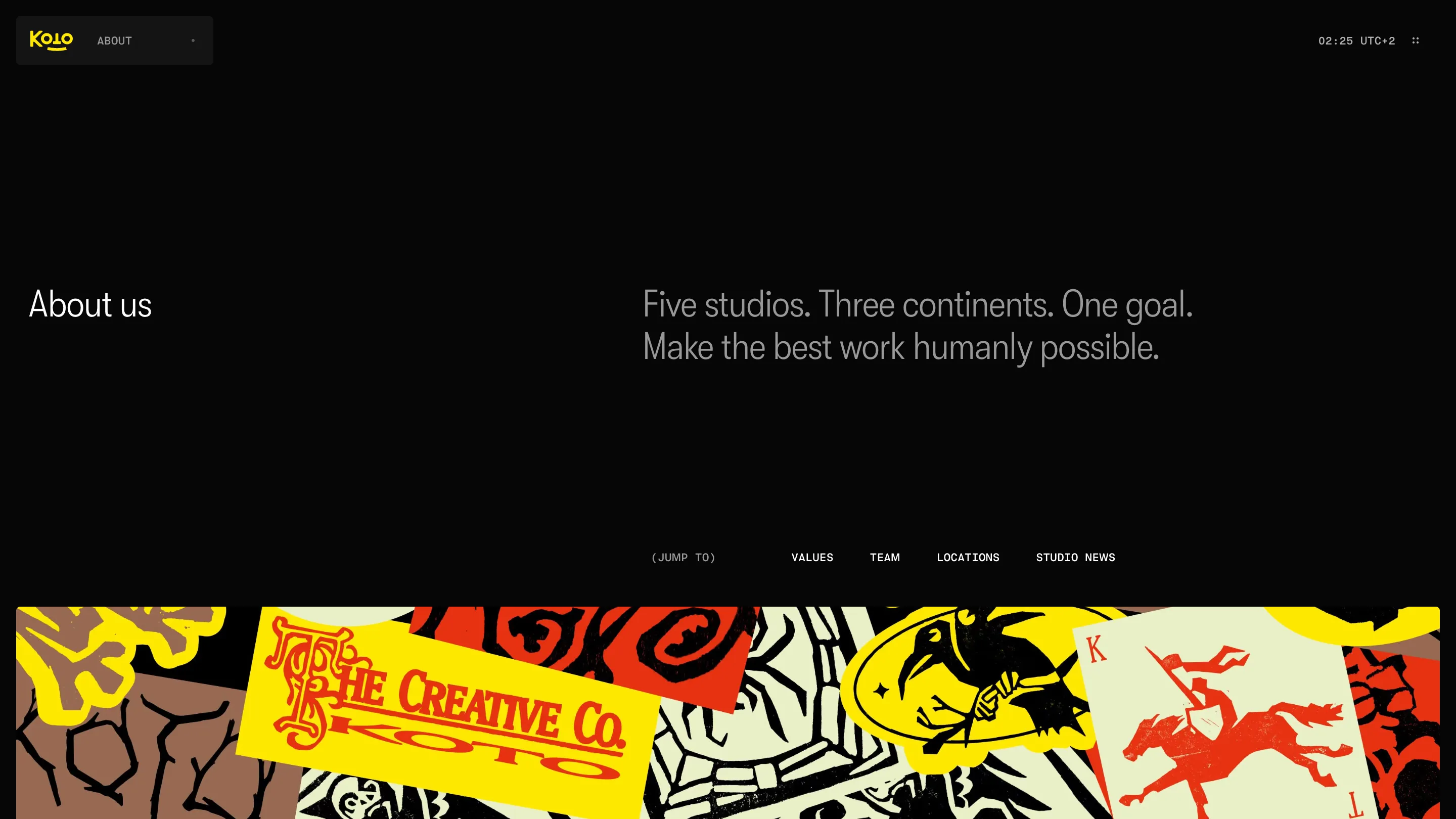
Koto's own About page still reads "Five studios. Three continents. One goal." As of yesterday that's wrong. The group is London, Berlin, Los Angeles, San Francisco, New York, Portland, Dubai and Sydney.
Koto was founded in 2015. It opened a Singapore presence in May, launched a type foundry called CcType in July, put a new wordmark on Instagram in August, and added 60 people in one transaction in September. That is a fast year even by the standards of a studio with a fund behind it.
Why this lands on your desk
Briefing changes first. When the identity studio and the content studio sit inside one group, you get one contract instead of two, and the handoff you used to project-manage becomes someone else's org chart problem. Genuinely useful on a Tuesday. It also means fewer independent studios bidding against each other on your next brand round, and a pitch price set by a group with a growth target.
Employment changes second. "Founder-led" is carrying weight in Greenfield's sentence, and it's the thing a roll-up tends to stop being. When WestBridge invested, it called Koto its fourth platform investment from that fund, with over a third of the capital deployed in twenty months. Funds return money. There's an exit somewhere around 2029, and the person who approves your work will be answering to it.
What to watch
Watch Stereo's name. Koto says it's building a network of founder-led companies, which should mean Stereo keeps its brand and its founders keep running it. If stereocreative.com quietly becomes a Koto landing page inside a year, the network was a logo exercise. If Stereo is still Stereo in 2028, still hiring under its own name, the model held.
Either way, keep the number. 230 people is the size a brand studio can reach now, and Koto added the last 60 of them with paperwork.