Design hiring in 2026 tilts to seniors who already use AI
Figma surveyed 906 designers and asked leaders what they want. Senior demand runs more than double junior demand, and AI fluency has quietly become the entry fee.
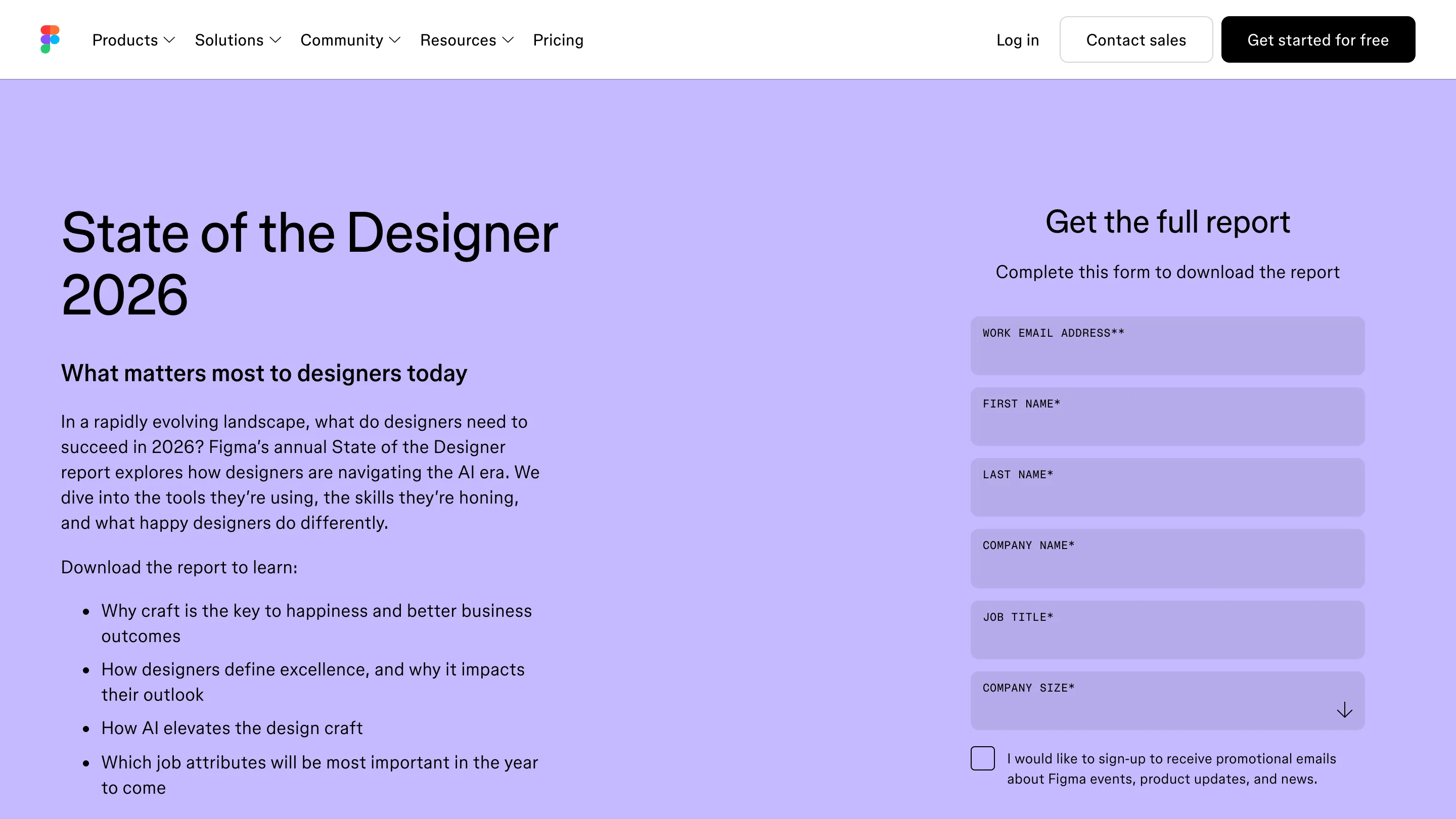
Figma just put numbers on something designers have felt all year. Design hiring in 2026 favors people with experience, and it favors people who already work with AI. The company's State of the Designer 2026 report, built on a survey of 906 designers worldwide, lands on two facts a working product designer should sit with: senior roles are where the demand is, and knowing your way around AI tools is no longer a bonus line on the résumé.
Andrew Hogan, Figma's head of insights, pulled the hiring data into its own read. Of the leaders surveyed, 82% say their need for designers has held steady or grown. 47% say demand went up. The split underneath is the part that stings. 56% report rising demand for senior hires, against 25% hiring more juniors. That's more than two-to-one toward people who can walk in and run.
The senior-junior gap in design hiring is wide
The gap has a logic to it. Teams are moving fast, budgets are tight, and managers want designers who can handle systems, stakeholders, and new tools without a long ramp. Hogan's read points to judgment as the thing being bought: the ability to pull messy pieces together and make a call. That rewards years on the job.
It also leaves junior designers in a hard spot. The door most people used to walk through, the entry role where you learn on someone else's dime, is the one narrowing fastest. If you're early in your career, the takeaway isn't cheerful, but it is clear. Show judgment, and show it early.
AI fluency is now the entry fee
The other number that moved: 73% of leaders say they need candidates who are proficient with AI tools, and 79% want people who can design AI products. One respondent, a tech worker in Australia, put it flatly. All their new hiring is based on AI skills and knowledge.
This tracks with how designers say they already work. 72% now use generative AI in their process, and 98% say their usage went up over the past year. 89% say they're working faster. 91% say the tools make their designs better. The skill being tested in interviews is finally catching up to the skill people use at their desks.
Craft is the thing the tools can't fake
Here's the counterweight, and it's the most useful part of the report for anyone making digital products. When anyone can prompt their way to a rough prototype, the difference moves to craft. Figma found that designers who tie craft to human feeling and to a polished end result tend to be both happier and more successful. Creative freedom ranked as the number one driver of job satisfaction. 91% said clear goals and expectations help them do their best work.
So the report reads two ways at once. AI raises the floor on speed and output. Craft, taste, and judgment raise the ceiling, and those are what hiring managers say they'll pay for.
What to do with this
If you hire designers, the honest move is to stop treating AI fluency as a nice-to-have and name it in the role, then guard the craft time that keeps your best people around. If you're looking for work, the market wants proof you can make calls and proof you can use the tools, in the same portfolio. And if you manage juniors, the pipeline problem is now yours to solve, because the market has stopped solving it for you.
The full State of the Designer 2026 report from Figma has the rest of the breakdown.